Rubbish removal Crowndale Road Kentish Town tips
Posted on 07/05/2026
Rubbish removal Crowndale Road Kentish Town tips: a practical local guide for faster, cleaner clear-outs
If you live, work, renovate, or run a busy household near Crowndale Road, rubbish has a way of stacking up at exactly the wrong time. A flat move, a kitchen refresh, a garden tidy, a shop refit, a post-party clear-up - it all leaves you staring at bags, boxes, broken bits, and that one awkward item you've been meaning to deal with for weeks. These Rubbish removal Crowndale Road Kentish Town tips are designed to make the process simpler, safer, and a lot less stressful.
The good news? Good rubbish removal is mostly about planning well, separating what can be reused or recycled, and choosing the right disposal method for the job. Not every clear-out needs the same approach, and honestly, that is where people often get tripped up. This guide walks you through what matters locally, how rubbish removal typically works, and how to avoid the usual headaches - from access issues on a narrow street to overpaying for a half-empty load.
Whether you are tackling a single bulky item or a full property clearance, you will find practical steps, local considerations, and a few plain-English pointers that make the whole thing easier. Let's get into it.
Why Rubbish removal Crowndale Road Kentish Town tips Matters
Crowndale Road sits in a part of Kentish Town where everyday life tends to be lively, compact, and sometimes just a bit chaotic. That is part of the charm. But it also means rubbish removal needs a little more thought than in a place with wide driveways and endless front garden space. If you leave waste unmanaged, it can quickly affect access, neighbours, building safety, and the general feel of the property.
For homeowners, landlords, tenants, and small businesses, the issue is not only tidiness. It is also about time, convenience, and keeping disposal legal and responsible. A pile of packaging from a refit looks harmless enough, until it blocks a hallway or attracts complaints. A mattress left outside overnight can become a nuisance fast. And if you are trying to sell or let a property, clutter sends the wrong message. That is not just cosmetic; it can shape how people see the space.
There is another layer too: local waste habits in a busy London area often depend on timing, access, and the type of material involved. Furniture, green waste, builder's rubble, office junk, and mixed household waste all behave differently. That sounds obvious, but in practice people mix them together and then wonder why disposal costs more or takes longer. A better plan saves both money and effort.
If you want a broader view of local service options, the services overview is a useful place to start. It helps you see how rubbish collection, waste removal, and specialist clearances fit together rather than treating every job as the same thing. That distinction matters more than most people realise.
How Rubbish removal Crowndale Road Kentish Town tips Works
In simple terms, rubbish removal usually follows a short sequence: identify the waste, sort it, decide what can be reused or recycled, arrange collection, and then make sure everything leaves the property safely. The detail sits in the middle. That is where most of the decisions happen.
For a small household job, you might separate bags, cardboard, old small appliances, and one bulky item. For a renovation, you may have plasterboard, timber, packaging, and broken fixtures. For a business, the mix may include office furniture, filing cabinets, e-waste, and general rubbish. The right approach depends on what is actually there, not on guesswork.
On Crowndale Road and nearby streets, access can matter just as much as volume. Is there room for a vehicle to stop safely? Will waste need carrying from a top-floor flat? Is there a lift, a narrow staircase, or a shared entrance? These little details affect how the job is scheduled and how long it takes. They can also affect price, so it is better to be upfront than to surprise anyone on the day. Truth be told, surprise access issues are one of the fastest ways to turn a quick job into a long one.
Some people also compare collection methods before booking. If you are weighing up local rubbish collection against a full waste removal service, the difference is often in flexibility, labour, and the size of the load. You can read more about that through the dedicated rubbish collection in Kentish Town and waste removal services pages, which are useful if you are trying to match the job to the right service rather than just picking the first option you see.
Key Benefits and Practical Advantages
Good rubbish removal is not just about "getting rid of stuff". That is the bare minimum. The real benefits are more practical than that.
- Faster clear-ups: A planned removal stops waste hanging around for days or weeks.
- Better use of space: Clearing a room, hallway, loft, or office area immediately makes the property feel more usable.
- Less stress: One appointment can be easier than several trips to a tip or repeated bin juggling.
- Improved presentation: Useful for lettings, sales, events, renovations, or simply getting life back under control.
- Safer surroundings: Fewer trip hazards, fewer sharp edges, and less clutter near entrances or stairwells.
- More recycling potential: When items are sorted properly, more material can be diverted from general waste.
There is also a quieter benefit people often overlook: decision relief. Once you know the waste is being handled, you stop mentally carrying it around. That sounds small, but after a long week of moving, decorating, or hosting, it matters.
If sustainability is part of your decision, it is worth looking at the provider's approach to sorting, recovery, and reuse. The recycling and sustainability page gives a clearer picture of how responsible waste handling should be framed, especially if you care about reducing what ends up in landfill. And to be fair, many local customers do care - more than they used to.
Who This Is For and When It Makes Sense
This kind of rubbish removal advice is useful for a wide mix of people. It is not only for big property clearances or building sites. A lot of the calls come from ordinary situations that just got out of hand a bit.
You may need this if you are:
- moving out of a flat and need old furniture gone quickly
- upgrading a kitchen or bathroom and want old fittings removed
- clearing packaging after a delivery, refit, or online furniture order
- tidying a garden after pruning, digging, or seasonal maintenance
- closing or rearranging an office and need desks, chairs, or files collected
- dealing with a house clearance after a long tenancy, relocation, or bereavement
- preparing a property for sale or letting and need it to look presentable
For landlords and sellers in particular, timing can matter. A cluttered property tends to slow everything down. If you are preparing for viewings or photography, a proper clear-out can make the place feel brighter and bigger almost immediately. That is one reason some local owners also read guides like the real estate guide to Kentish Town investments or the property deals in Kentish Town article, because the condition of a property affects the way it performs on the market. Simple as that.
If you are hosting or living in a busy shared home, rubbish builds up even faster. One person buys a wardrobe, another gets takeaway boxes, someone moves in, someone moves out. It accumulates. Fast.
Step-by-Step Guidance
If you want the cleanest result, follow a proper sequence rather than dragging bags to the curb and hoping for the best. Here is a straightforward process that works well in real life.
- Walk through the space carefully. Look at every item and decide whether it is rubbish, reusable, recyclable, or hazardous. Don't rush this bit.
- Separate by type. Keep general waste apart from cardboard, wood, metal, electrical items, and garden waste where possible.
- Remove anything you want to keep. It sounds obvious, but people do forget old paperwork, chargers, keys, and sentimental items in piles.
- Measure bulky items. Furniture, appliances, and builders' waste can be awkward in tight hallways or stairwells.
- Check access. Note parking, loading space, stair count, lift access, and any restrictions on your street.
- Choose the right collection type. A small collection, a mixed waste job, a house clearance, or builders waste disposal all suit different needs.
- Ask for a clear price structure. Make sure you understand what is included and whether labour, loading time, or special disposal is extra.
- Prepare the waste for easy loading. Break down cardboard, bundle light materials, and place items in one accessible area if safe to do so.
- Keep pathways clear. This helps the crew work quickly and reduces the risk of damage.
- Confirm what happens after collection. Recycling, reuse, and proper disposal should all be part of the conversation.
A small but useful habit: take a quick photo of the waste before collection. Not because you are being difficult - just because it helps confirm the scope if you need to compare quotes later. Five seconds, done.
If your job is more construction-focused, the dedicated builders waste disposal in Kentish Town page is especially relevant. Renovation waste behaves differently from household waste, and treating it the same can lead to messy, expensive mistakes.
Expert Tips for Better Results
Some of the best rubbish removal results come from small, practical choices before the collection truck ever arrives.
1. Do a quick sort before you book
If you can separate obvious recyclables, it often makes the whole process smoother. Cardboard, clean wood, metal, and some electrical items are easier to manage when they are not buried under general clutter.
2. Be realistic about volume
People often underestimate how much waste a room holds. A pile that looks "not too bad" in person can suddenly fill half a vehicle. Walk around it, not through it. That helps.
3. Think about timing and neighbours
In a busy London street, a short, tidy loading window is usually appreciated. Morning collections can be calmer, while late starts may clash with commuting footfall or parking pressures. If you live in a shared building, give people a little warning.
4. Keep dangerous or awkward items separate
Sharp metal, broken glass, paint tins, batteries, and certain electrical items need more care. Do not just toss them into mixed waste and hope for the best.
5. Ask about disposal routes
A responsible provider should be able to explain whether items are recycled, reused, or disposed of through appropriate channels. You do not need a lecture. Just a clear answer.
One thing I've noticed over and over: the smoothest jobs are rarely the biggest ones. They are the best prepared ones. A tidy plan beats heroic effort every time.
For local trust and peace of mind, it can also help to review company information before you book. The about us page is useful when you want to understand who is handling the job, while the insurance and safety page matters if you are concerned about staircases, heavy items, or shared premises.
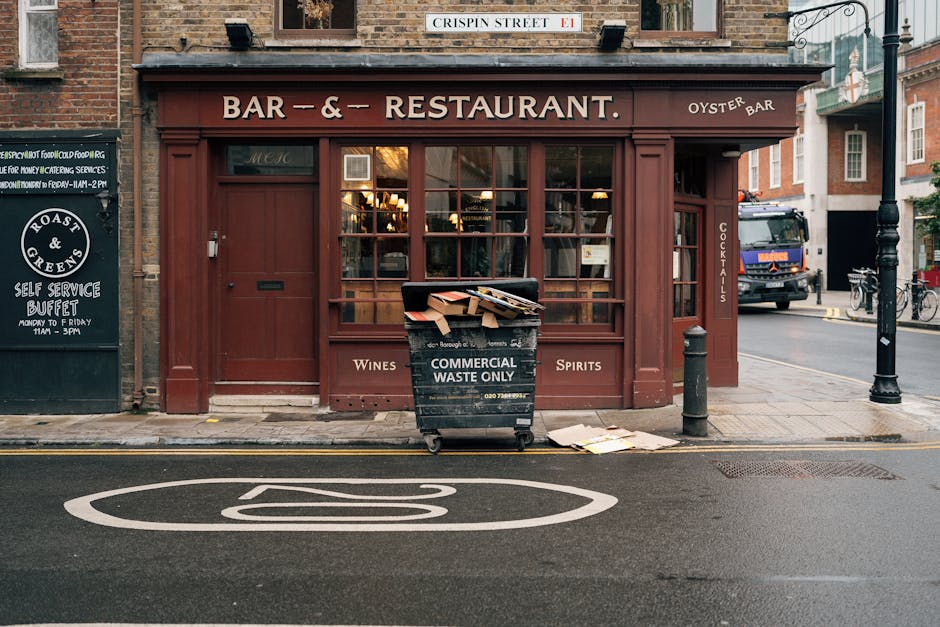
Common Mistakes to Avoid
Rubbish removal goes wrong in pretty predictable ways. Once you know the traps, you can avoid most of them.
- Mixing everything together: Recycling becomes harder and costs can rise if waste is poorly sorted.
- Ignoring access issues: A skip or van may not be able to park where you expected. Crowndale Road and surrounding streets can be tight.
- Leaving it until the last minute: This often leads to rushed decisions and higher stress.
- Forgetting hidden spaces: Lofts, cupboards, sheds, and under-bed storage hide more clutter than people think.
- Booking the wrong type of service: A garden clearance is not the same as office clearance, and a bulky item collection is not the same as a full house clearance.
- Not checking what is excluded: Some waste types need special handling, so it is best to ask in advance.
- Assuming price means everything: The cheapest quote is not always the best value if it leaves you with unclear terms or poor service.
The biggest mistake, though? Assuming rubbish removal is all about lifting. It is more about sorting, planning, and knowing what matters. The lifting is the easy bit. The thinking comes first.
Tools, Resources and Recommendations
You do not need much equipment to make rubbish removal easier, but a few simple tools help a lot.
- Heavy-duty bags: Better for mixed household waste and lighter clear-out material.
- Gloves: Useful for protecting hands from dust, splinters, and sharp edges.
- Marker pens and tape: Handy for labelling keep, recycle, donate, and remove piles.
- Basic cleaning tools: A broom, dustpan, and vacuum make the space easier to hand over afterwards.
- Reusable boxes: Great for moving small items, paperwork, and loose accessories without creating more plastic waste.
- Measuring tape: Very useful for sofas, mattresses, wardrobes, and appliance removals.
For people handling a garden tidy-up, the garden waste removal in Kentish Town page is worth a look. Grass cuttings, branches, soil, and plant material need a different approach from household rubbish, and trying to bundle everything into one category can make life harder.
If the job is inside a flat or shared building, a local house clearance service can also be a better fit than trying to piece together multiple separate collections. For workplaces, the office clearance page is the natural next stop, especially if desks, filing, and IT waste are involved.
If you like to compare options before committing, pricing information is best reviewed calmly, not in a rush. The pricing and quotes page gives a useful sense of how quotes are typically approached, which helps when you want to judge value rather than just chase the lowest number.
Law, Compliance, Standards, or Best Practice
Waste disposal in the UK should always be handled with care. You do not need to become a legal expert, but you should know the basics well enough to stay on the right side of good practice.
In practical terms, that means checking that waste is collected and processed responsibly, especially if you are dealing with mixed rubbish, commercial waste, or items that could be hazardous. Batteries, paints, oils, fluorescent tubes, and certain electricals need more caution than normal household rubbish. The exact handling route depends on the item and the provider, so it is sensible to ask before booking.
There is also a duty of care mindset to keep in mind: if you hand waste to someone else, you want confidence that it will not be fly-tipped or mishandled. That is why transparency matters. Clear quotes, clear terms, clear disposal practices - boring maybe, but very reassuring.
If security and trust matter to you, check the provider's supporting information. The terms and conditions can clarify service limits, while payment and security gives useful reassurance around transactions. For residents who care about privacy and online browsing details, the privacy policy and cookie policy are also there to review. Not glamorous, admittedly, but they matter.
If accessibility is a concern - perhaps you need the service arranged carefully for a building with limited access, or you want to understand how the website and support information are designed - the accessibility statement is another helpful trust signal.
Options, Methods, or Comparison Table
Different waste jobs call for different methods. The right choice depends on volume, waste type, urgency, and how much lifting you want to avoid. Here is a straightforward comparison.
| Method | Best for | Advantages | Limitations |
|---|---|---|---|
| Man and van rubbish collection | Mixed household waste, bulky items, quick clear-outs | Flexible, often fast, less hassle for the customer | May not suit very large or highly specialised loads |
| House clearance | Full or partial property clearances | Better for whole rooms, estates, and tenancy changes | Can take longer to assess and organise |
| Builders waste disposal | Renovation and construction debris | Handles heavier, messier post-project waste | Not ideal for mixed domestic clutter without sorting |
| Garden waste removal | Branches, soil, cuttings, outdoor debris | Keeps green waste separate and easier to process | Soil-heavy loads may need careful handling |
| Office clearance | Desks, chairs, storage, IT and business waste | Good for workplace moves and refurbishments | May involve timing around business hours and data-sensitive items |
If you are still unsure, think about the result you want. A quick "get it gone" job usually favours flexible collection. A larger move or clearance often needs more structured planning. There is no prize for overcomplicating it.
Case Study or Real-World Example
Imagine a two-bed flat near Crowndale Road after a small kitchen refresh and a weekend clear-out. There are cardboard boxes, an old chair, broken shelves, packaging, and a few bags of mixed household waste. Nothing dramatic. Just enough clutter to make the place feel cramped.
The resident starts by sorting the obvious recyclables: cardboard in one pile, reusable storage boxes in another, and the chair plus broken shelves grouped together. A quick check of the hallway shows the stairwell is narrow, so bulky items are placed near the front room rather than scattered around the flat. That small choice saves time later. It also reduces the chance of knocking paintwork on the way out, which is the sort of thing that can sour a good day very quickly.
Next, the resident compares options and chooses a service that can handle mixed waste efficiently. Because the load is not huge but contains a few awkward items, a flexible collection is more practical than organising multiple trips. The clear-out is finished in one visit, the rooms open up again, and the flat feels calmer by the evening. A bit of dust remains, sure, but that is easy to sweep away. The relief is the real win.
This is a simple example, but it shows the pattern: sort first, choose carefully, make access easy, and keep the scope realistic. That approach works whether you are clearing a flat, a small office, or a tired garden corner that has become a home for old pots and broken tools.
Practical Checklist
Use this checklist before your rubbish removal appointment. It keeps things steady and helps avoid awkward surprises.
- Walk through every room, cupboard, loft, shed, or storage area involved
- Separate keep, donate, recycle, and remove piles
- Check for batteries, paint, sharp items, or electrical waste
- Measure bulky furniture and awkward appliances
- Confirm access, parking, stairs, and lift availability
- Choose the right service type for the waste you have
- Ask for a clear quote and understand what it includes
- Set aside a safe loading area if possible
- Let neighbours or building management know if needed
- Take photos of the waste before collection for your own reference
- Keep pathways clear and pets out of the way
- Check what should happen to recyclable or reusable items
If you can tick all of those off, you are already ahead of most people. Seriously, that alone makes the day run much smoother.
Conclusion
Rubbish removal on or around Crowndale Road does not need to be complicated, but it does reward a bit of thought. The best results come from good sorting, honest planning, sensible timing, and choosing the right collection method for the job. Whether you are dealing with household clutter, garden waste, a renovation mess, or a full property clearance, the same basics apply: make access easy, know what you have, and ask clear questions before you book.
Used well, these Rubbish removal Crowndale Road Kentish Town tips can save time, reduce stress, and make a busy local property feel lighter almost straight away. And that feeling - stepping back into a clean room, hearing the echo a little more clearly, seeing the floor again - is oddly satisfying. Better than it sounds, actually.
If you are comparing options now, take a moment to review the available services, check the practical details, and choose the route that fits your waste, your space, and your timeline. A calm, well-planned clear-out is usually the one that feels easiest on the day and nicest the next morning.
Get a free quote today and see how much you can save.
![The image shows a small urban street scene during daylight hours, with a pedestrian walking along the sidewalk near a row of parked vehicles, including a white van and a truck. In the foreground, there are decorative flower pots and green bollards along the edge of the paved area, which features a curved road with striped double yellow lines indicating it is a main thoroughfare. To the left, a single-story building with a shopfront displays various items behind a large window, and a trash bin is positioned nearby, indicating urban waste management practices. Behind the sidewalk, there is a line of mature trees with dense foliage, providing shade and a natural backdrop to the residential and commercial buildings, visible in the background with brick facades and chimneys. The overall scene appears quiet and well-maintained, with natural lighting and shadows cast by nearby trees and vehicles, aligning with private waste collection themes by illustrating an organized street environment where rubbish removal services such as those by [COMPANY_NAME] might operate or support alternative waste handling arrangements in the local area.](/pub/blogphoto/rubbish-removal-crowndale-road-kentish-town-tips3.jpg)
 Tipper Van - Rubbish Collection and Junk Disposal Prices in Kentish Town, NW5
 Luton Van - Rubbish Collection and Junk Disposal Prices in Kentish Town, NW5