Camden council rules for rubbish disposal in Kentish Town
Posted on 07/07/2026
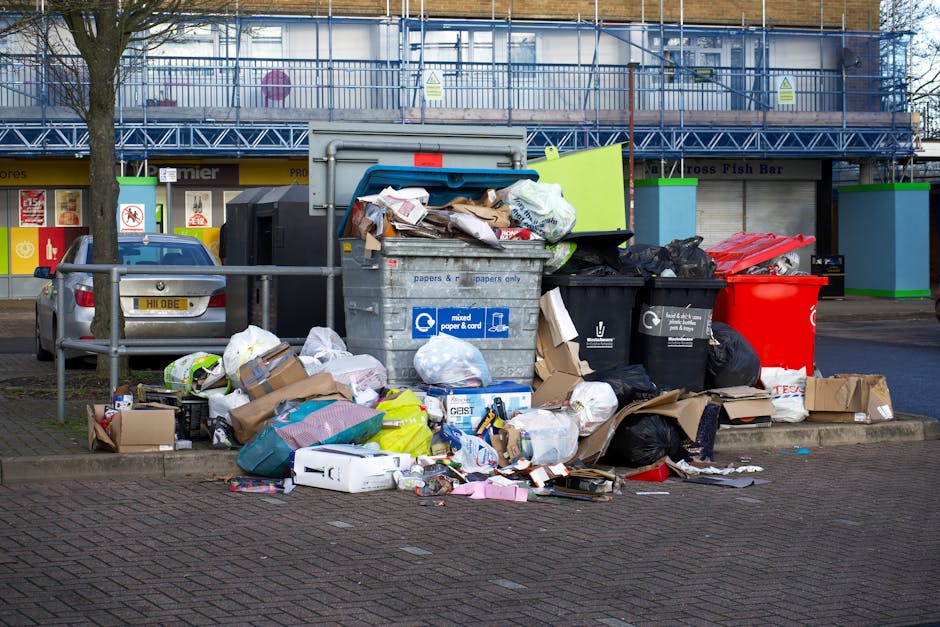
Camden council rules for rubbish disposal in Kentish Town: a practical local guide
If you live, manage property, or run a business in Kentish Town, rubbish is one of those everyday issues that can quietly become a headache. Miss a collection day, leave bags out wrong, or dump the wrong item in the wrong place, and suddenly you are dealing with mess, complaints, or worse. This guide explains Camden council rules for rubbish disposal in Kentish Town in plain English, with the practical detail people actually need. What goes where? What happens with bulky waste? How do you stay compliant in a busy NW5 street where space is tight and neighbours notice everything?
Truth be told, most problems are avoidable once you understand the local expectations. The aim here is simple: help you dispose of waste properly, protect your household or business from avoidable issues, and make the whole process less stressful.
Why Camden council rules for rubbish disposal in Kentish Town Matters
Kentish Town is densely lived-in, with narrow streets, mixed housing stock, shared entrances, and a lot of everyday foot traffic. That combination makes waste handling more visible and more sensitive than in quieter suburban areas. A bag left in the wrong place does not just look untidy; it can block pavements, attract pests, trigger complaints, and create access problems for bins, cleaners, or collection crews.
There is also a simple reality: when disposal rules are followed properly, everything runs smoother. Recycling is easier, bulky waste is less chaotic, and builders' rubbish does not end up becoming a public nuisance. That matters whether you are a tenant clearing out a flat, a landlord between lets, or a business handling regular waste streams.
People often underestimate how much local waste behaviour affects the whole street. One overflowing bin can become several, especially after a weekend or a bank holiday. You will notice it quickly in places where collection bays are tight and kerbs are busy. Camden council rules exist to reduce exactly that kind of spillover.
Expert summary: If you remember only one thing, make it this: local rubbish rules are not just about avoiding penalties, they are about keeping Kentish Town usable, tidy, and respectful for everyone who lives and works there.
If you are also planning a move, a renovation, or a business clear-out, it can help to look at the bigger picture. For broader local context, our local living tips for Kentish Town page gives a useful feel for day-to-day life in the area, and our guide to access problems on narrow Kentish Town streets explains why waste logistics can be trickier than they look.
How Camden council rules for rubbish disposal in Kentish Town Works
At a practical level, the system usually comes down to a few core ideas: separate waste properly, present it correctly, and use the right service for the right type of item. That sounds obvious, but in real life there are plenty of missteps. A broken chair, for example, is not the same as general black-bag waste, and a sack of renovation debris is very different from a normal household bin.
Here is the basic framework most residents and property managers need to think about:
- General waste is for non-recyclable household rubbish and similar everyday disposal.
- Recycling should be sorted according to the accepted materials in your local collection system.
- Food waste, where applicable, needs its own handling and should not be mixed with general rubbish.
- Bulky items such as furniture, mattresses, or white goods usually need a separate collection or a specialist clearance.
- DIY and builder's waste often needs a dedicated route because it can be heavy, sharp, dusty, or simply too much for standard collections.
In many Kentish Town buildings, especially flats and converted houses, the practical challenge is not the rule itself but where and how waste is placed for collection. Front gardens, shared hallways, bin stores, and narrow pavements all create friction. If bags are left too early or too late, they can become an obstruction. If they are left in the wrong container, they may not be collected at all.
One very common issue is mixed waste. Let's say you clear a bedroom and end up with old clothes, broken shelving, packaging, and a small amount of plasterboard. That is not one neat category. It needs sorting. This is where residents often decide to use a professional rubbish collection service in Kentish Town or a broader waste removal option rather than trying to force everything into one bin run.
If you are dealing with a one-off clear-out, the right method also depends on access. On streets where parking is tight or stairwells are awkward, a same-day or booked collection can be far more practical than trying to wheel items out piecemeal. Our same-day rubbish collection guide explains why speed sometimes matters more than ideal timing.
Key Benefits and Practical Advantages
Following the rules is not just about keeping the council happy. It genuinely makes life easier. You reduce clutter, avoid missed collections, and lower the risk of unpleasant surprises outside your door. In a compact area like Kentish Town, that is worth a lot.
- Cleaner shared spaces: hallways, frontages, and bin stores stay more usable.
- Lower pest risk: waste that is stored or presented properly is less likely to cause problems.
- Fewer neighbour disputes: nothing sours a shared building faster than repeated dumping mistakes.
- Better recycling outcomes: sorting correctly helps more material go into the right stream.
- Less last-minute stress: planning waste disposal early means fewer delays when you are moving, renovating, or closing a property.
There is a commercial upside too. Landlords, letting agents, and local businesses often discover that good waste management is part of good presentation. A property with tidy bins and a clean frontage simply feels better kept. That can matter in viewings, guest stays, or day-to-day trading. If you work in property, you may also find our real estate guide for Kentish Town investments helpful, because waste planning is one of those small operational details that quietly affects value.
And yes, it saves time. Not glamorous, but real. The less you have to second-guess what goes where, the less likely you are to have bags hanging around "just for tonight" that somehow stay there for three days. We have all seen that happen.
Who This Is For and When It Makes Sense
This topic matters to a lot more people than just homeowners. If you live or work in NW5, chances are you will need Camden council rules for rubbish disposal in Kentish Town at some point, even if only to sanity-check a plan before you act.
- Residents: especially in flats, terraces, and shared houses where bin storage is limited.
- Landlords and managing agents: when preparing a property between tenancies or dealing with tenant waste.
- Tenants: particularly when moving out, buying new furniture, or clearing old belongings.
- Small businesses: offices, studios, cafes, and shops with regular waste and occasional bulky items.
- Contractors and tradespeople: anyone generating builders' waste, packaging, timber, or renovation debris.
- Event hosts: if you are dealing with temporary waste spikes after gatherings or functions.
Sometimes the need is obvious. A loft clear-out, end-of-tenancy move, garden tidy, or shop refit all create waste quickly. But it can also be subtler. Maybe you are simply replacing a sofa and realising the old one cannot be left with normal household rubbish. Maybe your office shredder output and packaging have started to pile up. Small issue, big inconvenience.
If you are staying in the area and trying to live like a local, practical waste habits make a difference too. Our Kentish Town local living guide is a nice companion read if you want a more everyday view of the area.
Step-by-Step Guidance
Here is a sensible way to handle rubbish disposal in Kentish Town without overcomplicating it.
- Identify the waste type. Decide whether it is general waste, recycling, food waste, bulky waste, garden waste, builders' waste, or a mix.
- Check how much you have. A single bag and a full flat are different jobs. Be honest about the volume. People often are not, and then the plan falls apart.
- Separate items early. Keep recyclables, reusable items, and disposal waste apart before moving anything to the kerb or collection point.
- Consider access. Think about stairs, parking, loading space, and whether your street can handle a vehicle or lifting safely.
- Choose the right disposal method. Standard collection, bulky waste booking, special clearance, or a professional waste team are all different answers.
- Prepare items correctly. Flatten boxes, bag loose rubbish securely, and avoid leaving sharp or hazardous material exposed.
- Book or present at the correct time. Do not put waste out too early. In busy streets, that can cause issues before collection day even arrives.
- Keep proof and records if needed. For business or managed property use, a simple record of what was collected can save a lot of back-and-forth later.
A realistic example: a small flat near Kentish Town station is being cleared after a tenancy ends. There are kitchen scraps, old clothes, a broken shelving unit, and cardboard from new appliances. The smart approach is not to pile everything by the door and hope. Sort first, remove reusable cardboard, separate the bulky furniture, and arrange the right removal route. Simple, but it prevents the usual late-night scramble.
If access is the real issue, especially on busy roads or awkward side streets, you may want to read our practical note on narrow street access problems. It is the sort of thing that sounds minor until you are standing beside two wardrobes and a locked gate.
Expert Tips for Better Results
A few habits make rubbish disposal much smoother in Kentish Town. Not dramatic. Just the kind of small changes that prevent bigger headaches later.
- Keep a "disposal zone" at home. One corner for donations, one for recycling, one for actual waste. It reduces accidental mixing.
- Break down what you can. Cardboard, flat-pack, and some light furniture take up less space when dismantled.
- Use sturdy sacks and clear labelling where useful. Especially in shared properties. It helps everyone know what is what.
- Do not ignore awkward items. Mattresses, fridges, paint, and rubble are where many disposal plans fail.
- Think ahead to the next day. If your collection or move is early morning, stage the items the night before only if they are safe and permitted.
One small but important tip: if you are dealing with several rubbish types at once, treat the job as a sequence, not a single dump. First the recyclable items, then the bulky pieces, then the remaining waste. That order matters. It sounds fussy, I know, but it saves time.
For projects that involve building work or renovations, it also helps to plan disposal before the first hammer swing, not after the dust has settled. Our builders' waste collection article covers that kind of planning mindset well.

Common Mistakes to Avoid
Most waste problems in Kentish Town come from the same handful of mistakes. The good news is that they are easy to spot once you know what to look for.
- Leaving bags out too early. This can create mess, nuisance, and avoidable complaints.
- Mixing recyclables with general waste. Once mixed, the whole lot may be treated as rubbish.
- Putting bulky items out as if they were normal refuse. This is one of the most common misreads.
- Assuming someone else will move it. Shared buildings often stall because everyone thinks another person has sorted it.
- Ignoring access constraints. A service cannot do much if a car is blocking the route or the items are left behind a locked gate.
- Waiting until the last day. That is when prices, timing, and availability can feel much tighter.
There is also the hidden-charge trap. Some people book a clearance without checking what is included, then discover extras later for stairs, heavy lifting, or mixed waste. If you want to avoid that frustration, have a look at how to avoid hidden charges in rubbish removal. It is a useful reminder that transparent planning beats guesswork every time.
And yes, the classic mistake is always thinking "it'll be fine." Sometimes it is not fine. Especially with waste. That's just how it goes.
Tools, Resources and Recommendations
You do not need a complicated toolkit to manage rubbish properly. A few basic items and a sensible plan usually go a long way.
| Tool or resource | Best for | Why it helps |
|---|---|---|
| Heavy-duty bin bags | General household waste | Reduces splitting and leaks during handling |
| Cardboard boxes or labelled tubs | Sorting mixed items | Makes separation easier before disposal |
| Gloves | Clear-outs and sharp items | Basic protection while handling dirty or awkward rubbish |
| Flat-pack screwdriver or basic toolkit | Furniture breakdown | Helps reduce bulky items into manageable pieces |
| Local waste service planning | Any larger disposal job | Helps match the waste type to the right method |
For property owners and managers, it is worth keeping a simple waste plan for each address. Nothing fancy. Just note the bin arrangement, collection timing, access issues, and what to do with bulky items. That one habit makes future changes far less stressful.
If you want to understand the service side of things better, the site's services overview is a helpful starting point, and the recycling and sustainability page is useful for anyone trying to keep disposal choices more responsible. For pricing questions, the pricing and quotes page is the obvious place to compare approaches carefully.
If you are arranging a proper clearance rather than just a few bags, you may also want to review the practical differences between house clearance, office clearance, builders' waste disposal, and garden waste removal. They are not interchangeable, even if they sometimes look similar from the pavement.
Law, Compliance, Standards, or Best Practice
Waste disposal in London is not just a household preference. It sits inside a wider framework of responsibility. While rules can vary by waste type and situation, the practical principle is consistent: waste should be stored, separated, transferred, and disposed of safely and lawfully.
For residents, the key best practice is simple compliance: use the right bin, follow the right collection process, and do not place waste where it blocks public access. For landlords and businesses, the duty is broader. You need to be more careful about duty of care, storage, handling, and making sure waste is passed to an appropriate and legitimate collection route. That is not glamorous reading, admittedly, but it matters.
Common compliance red flags include fly-tipping, uncontrolled storage of waste, and leaving hazardous or sharp items exposed. Builders' waste deserves extra caution because it often contains heavy, awkward, or dusty material. If you are dealing with that sort of job, the usual rule is to plan early and keep everything separated from ordinary household rubbish.
Best practice also means being realistic about what a standard collection can handle. Not every item belongs in a black bag, and not every street can safely accommodate a quick drop-off. In a place like Kentish Town, where access can be tight and residents are close together, common sense is part of compliance. Strange as that sounds, it really is.
Options, Methods, or Comparison Table
Different waste situations call for different solutions. Here is a straightforward comparison to help you decide what fits best.
| Method | Best for | Pros | Limitations |
|---|---|---|---|
| Standard household bin use | Routine day-to-day waste | Simple, familiar, low effort | Not suitable for bulky or mixed clear-out waste |
| Recycling separation | Paper, cardboard, containers, suitable recyclables | Better sorting, less landfill waste | Needs discipline and correct separation |
| Bulky waste collection | Furniture, mattresses, larger items | Practical for single large pieces | Usually needs booking and proper preparation |
| Specialist rubbish collection | Mixed, awkward, or urgent waste | Fast, flexible, less lifting for residents | May cost more than handling tiny amounts yourself |
| Full property clearance | Moves, refurbishments, probate, end-of-tenancy jobs | Efficient for large volumes | Requires more planning and access coordination |
The right choice often depends on volume, urgency, and access. If you only have a couple of bags, standard disposal may be enough. If you are clearing a flat after years of accumulated belongings, the equation changes quickly. We often see people start with the small-job mindset and then realise they are dealing with a full-scale clear-out. It happens.
For larger or more time-sensitive jobs, our bulky waste booking guide can help you think through the process before you commit.
Case Study or Real-World Example
Here is a realistic example from a typical Kentish Town scenario. A landlord is preparing a one-bedroom flat for re-let after a tenant moves out. The property contains an old mattress, a damaged bookcase, a couple of broken kitchen chairs, packaging from a delivered appliance, and the usual leftover bagged waste. The hallway is narrow, the building is shared, and parking outside is limited.
The first instinct might be to leave everything outside and hope for the best. But that creates risk. The better approach is to sort the rubbish by type, separate the recyclable cardboard, arrange for the mattress and furniture to be removed together, and make sure nothing is left in a communal area any longer than necessary. The result? Less disruption, cleaner access, fewer complaints, and a faster turnaround on the flat.
Now, imagine the same situation without a plan. One bag on Monday, one chair on Tuesday, a mattress leaning against the wall on Wednesday. It looks messy, invites attention, and usually takes longer overall. So even a modest bit of organisation saves a lot of hassle. Simple, really.
That kind of planning also matters when timings are tight. If the place needs to be ready for viewings, or if a move-out and handover are happening in the same week, you do not want waste disposal to become the thing that holds everything up. Our article on urgent rubbish clearance delays and solutions is a good companion read for those time-sensitive moments.
Practical Checklist
Use this checklist before putting anything out or booking a collection:
- Have I identified the waste type correctly?
- Have I separated recyclables from general rubbish?
- Are there bulky items that need special handling?
- Have I checked access, parking, and stair constraints?
- Is any item hazardous, sharp, or unusually heavy?
- Do I know when the waste can be placed out safely?
- Have I chosen the right collection or clearance method?
- Have I accounted for shared spaces and neighbours?
- Is there anything reusable that should be donated or kept aside?
- Have I planned for removal before the deadline, not after it?
If you can tick most of those off, you are already ahead of the usual last-minute rush. And honestly, that makes life easier than people expect.
Conclusion
Camden council rules for rubbish disposal in Kentish Town are really about making waste manageable in a busy, tightly packed part of London. Once you understand the basics, the process becomes a lot less intimidating. Sort waste properly, choose the right disposal route, respect access and timing, and avoid treating bulky or mixed rubbish like ordinary household waste.
The real win is not just compliance. It is ease. A tidy frontage, a clear plan, and fewer awkward surprises make daily life smoother for residents, landlords, and businesses alike. In a neighbourhood where space is valuable and neighbours are close by, that matters more than people think.
If your waste situation is more complicated than a few bin bags, it is usually worth taking a structured approach rather than guessing. The calmest option is often the best one. And once it is dealt with, you really do feel the difference-less clutter, less pressure, more breathing room.
Get a free quote today and see how much you can save.
For more about who we are and how we work, you can also read our about us page. That little bit of background can be reassuring when you are deciding how to handle a job properly.

 Tipper Van - Rubbish Collection and Junk Disposal Prices in Kentish Town, NW5
 Luton Van - Rubbish Collection and Junk Disposal Prices in Kentish Town, NW5